Indigenous, Indigenous wisdom, Nilgiris
WORDS BYRamya Reddy

Under clear skies in the Siang Valley, children once counted stars to a rhyme now only partly remembered. In the Nilgiris, the wind can carry warning, season, spirit and direction. The name of a plant holds generations of observation; a faded wedding saree leads a daughter back to the looms of her community. In translation, a word searches for another home. These are some of the threads and contours that run through Indigenous, Issue 11 of our journal.
The word Indigenous often arrives already burdened with definition: as identity, ancestry, territory, inheritance. But what if indigeneity is also lived and remade in the present? What happens as practices, languages and forms change while remaining bound to particular communities and places? In this issue, indigeneity is not an artefact preserved behind glass, but a living relationship: the wisdom gathered when we listen to a place long enough to be shaped by it.
The word Indigenous often arrives already burdened with definition: as identity, ancestry, territory, inheritance. But what if indigeneity is also lived and remade in the present? What happens as practices, languages and forms change while remaining bound to particular communities and places? In this issue, indigeneity is not an artefact preserved behind glass, but a living relationship: the wisdom gathered when we listen to a place long enough to be shaped by it.
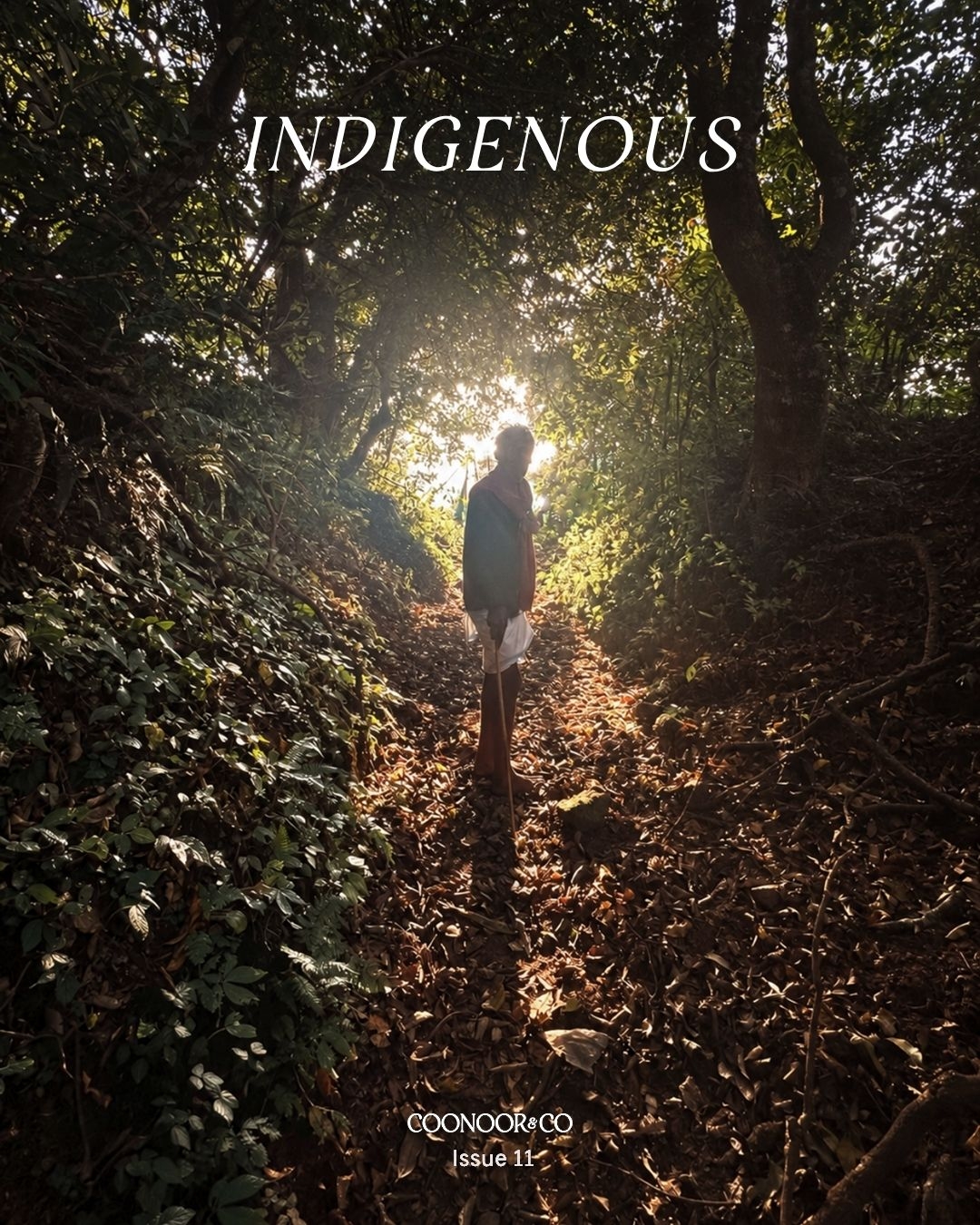
Across the issue, language, land, memory, and material practice are approached through very particular lives and places. Mamang Dai writes from Adi oral memory in the Siang Valley, where river, clan, ritual, and story belong to the same lived world. In the Nilgiris, Monisha Raman follows gayi, the wind, through Badaga memory, ritual, and belonging. Shruti Tharayil draws on the Tamil naming concept kaaranap peyar, or reason-names, to consider what plant names can hold: use, observation, and long familiarity with place. From Teotitlán del Valle, Oaxaca, Zapotec photographer Luvia Lazo speaks of image-making as a practice grounded in kinship, land, reciprocity, and responsibility. Carol Blaizy D’Souza considers the shifts that occur when rooted idioms travel across translation. Divya Chandran begins with her mother’s faded wedding saree, which leads her to Negamam and into a handloom tradition entwined with her own family history. From the Palani Hills, Pazhaiyar writer Murugeshwari Balan writes about her community’s relationship with the forest: the deities they recognize within it, the ways they worship, and a life lived in close relation with the land.
Art historian Jyotindra Jain looks at the presence of indigenous visual forms in early Indian advertising. Gita Wolf of Tara Books and artist and educator Indrapramit Roy, in conversation with Prabhu Viswanathan, consider what changes when Gond art moves from village walls into books, galleries and the contemporary art world. In the Nilgiris, Pratim Roy of Keystone Foundation, in conversation with Ramya Reddy, reflects on more than three decades alongside local communities, and on a practice of conservation built through listening, relationships and long engagement with place.
Across these pieces, the past is present, but it is never the destination. Knowledge is spoken, practised, translated, taught, questioned, and remade. Its meaning lies in the relationships around it: between people and place, memory and use, inheritance, and choice. This issue remains close to those relationships, without asking them to stand still.
Stories from Indigenous will be published on our website over the coming months, with each new piece shared through our newsletter. Coonoor & Co Journal is an independent biannual online publication exploring nature, craft, and slow living. Thank you for reading, and for being part of our community.
–– Ramya
Editorial team:
Art historian Jyotindra Jain looks at the presence of indigenous visual forms in early Indian advertising. Gita Wolf of Tara Books and artist and educator Indrapramit Roy, in conversation with Prabhu Viswanathan, consider what changes when Gond art moves from village walls into books, galleries and the contemporary art world. In the Nilgiris, Pratim Roy of Keystone Foundation, in conversation with Ramya Reddy, reflects on more than three decades alongside local communities, and on a practice of conservation built through listening, relationships and long engagement with place.
Across these pieces, the past is present, but it is never the destination. Knowledge is spoken, practised, translated, taught, questioned, and remade. Its meaning lies in the relationships around it: between people and place, memory and use, inheritance, and choice. This issue remains close to those relationships, without asking them to stand still.
Stories from Indigenous will be published on our website over the coming months, with each new piece shared through our newsletter. Coonoor & Co Journal is an independent biannual online publication exploring nature, craft, and slow living. Thank you for reading, and for being part of our community.
–– Ramya
Editorial team:
Ramya Reddy, Ashna Ashesh, Prabhu Viswanathan
You may also like
Read•Issue 10
The Many Homes of Streeties
BY Sindhoor Pangal, Ahana Rangachari, Surabhi Venkatesh, Juhi Patel, Sowjanya S
Read•Issue 10
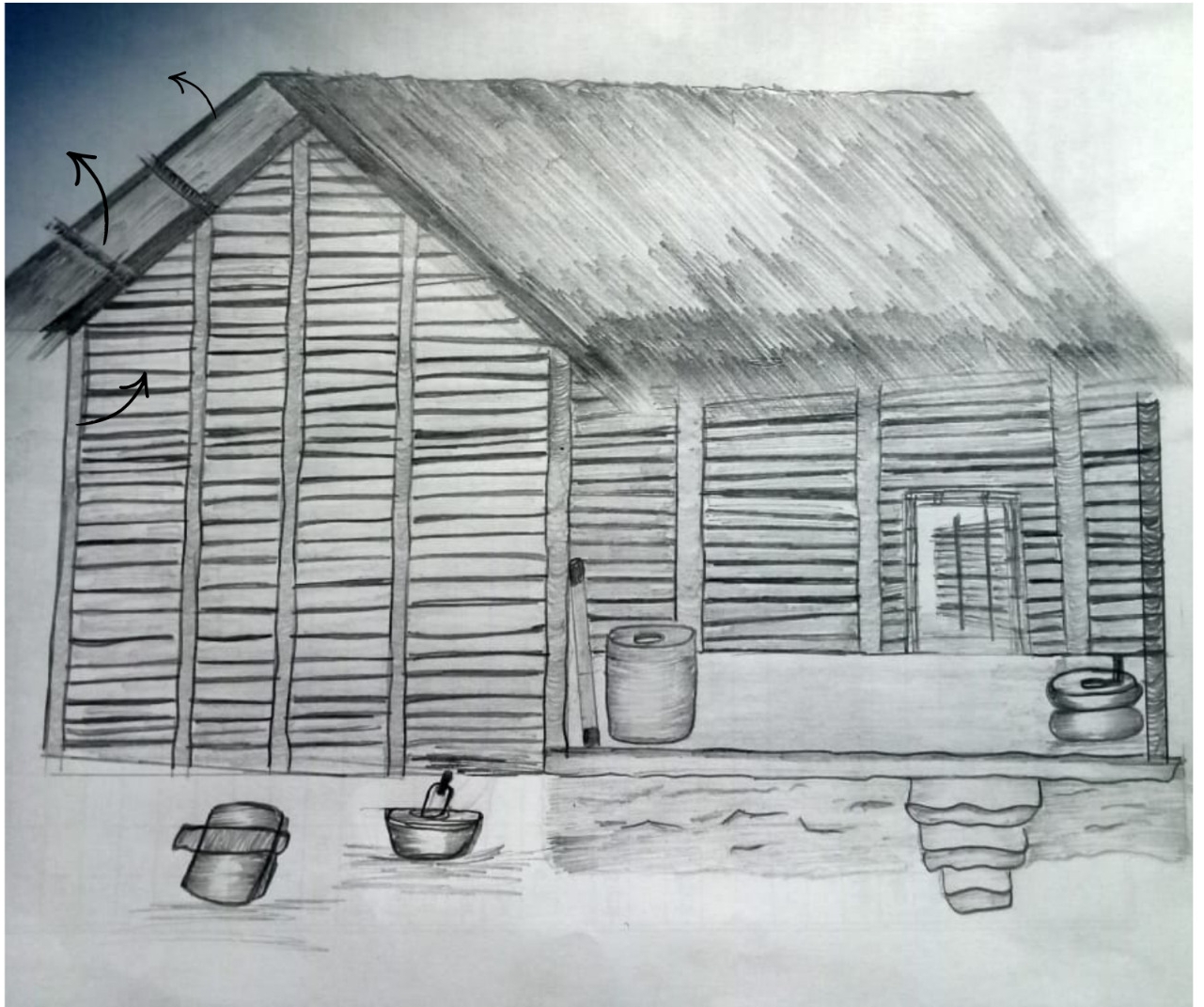
The Shape of an Irula Home
BY Jeyanthi R
Read•Issue 10
Yangdol
BY Pankaj Singh
Read•Issue 10
Issue 10 | An Introduction
BY Ramya Reddy
Read•Issue 9
Chennai: Voices from a City
BY V.Sriram

Read•Issue 9
Service Before Self
BY General Rajan Ravindran
Pause•Issue 9
Mountain Magic
BY Sangeetha Shinde Tee

Read•Issue 9
A Sacred Drift Called Bhoomi
BY Latha Menon